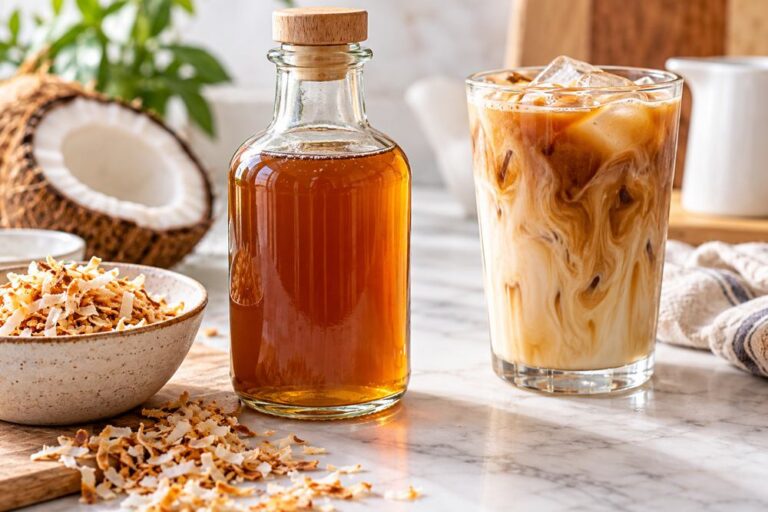
12 Home Cafe Menu Ideas for Coffee, Lattes and Tea
These home cafe menu ideas help you choose a short, workable drink list for your kitchen. Start with a familiar coffee, add one or two signature flavors, and include a tea option. A menu does not need a dozen bottles, a commercial machine or a different topping for every drink.
Below are 12 options linked to Tastewiser’s individual recipes, followed by three small sample menus and a four-person shopping example. Pick a few that share ingredients. The linked pages contain each recipe’s exact method, ingredient quantities and recipe card; this guide helps you decide what belongs on the menu.
Build a small menu first
A useful starting menu has four choices: plain coffee, a familiar flavored latte, one richer or fruit-led signature, and a non-coffee drink. If you only have one brewing device, choose drinks that use the same coffee base. Offer hot or iced only where your equipment and the recipe make both practical.
| Menu role | Simple choice | Why it earns a place |
|---|---|---|
| Plain option | Brewed coffee | Lets guests skip milk and sweeteners |
| Familiar flavor | Vanilla or honey | Uses an easy-to-explain flavor |
| Signature | Blueberry, mocha or cinnamon roll | Gives the menu a distinct character |
| Non-coffee | Rosemary tea | Offers a different drink style |
Treat these home cafe menu ideas as a shortlist, not a requirement to make everything. Two well-organized drinks are more practical than twelve unfinished components. Keep one milk choice as the default, then offer an alternative if your guests need it.
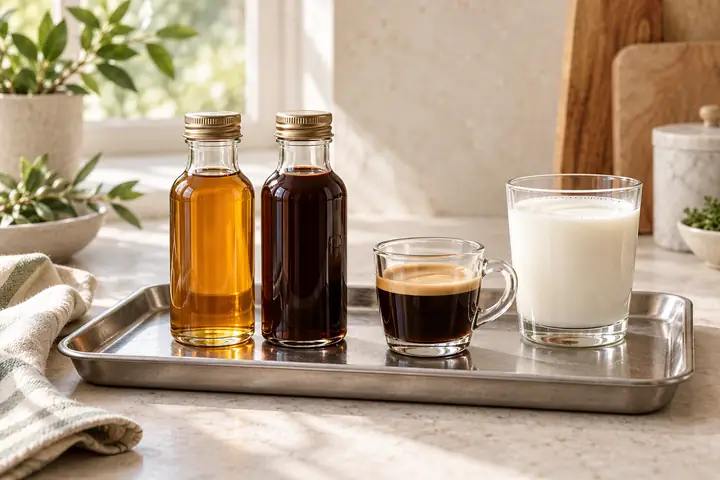
12 home cafe menu ideas to choose from
1. Vanilla latte
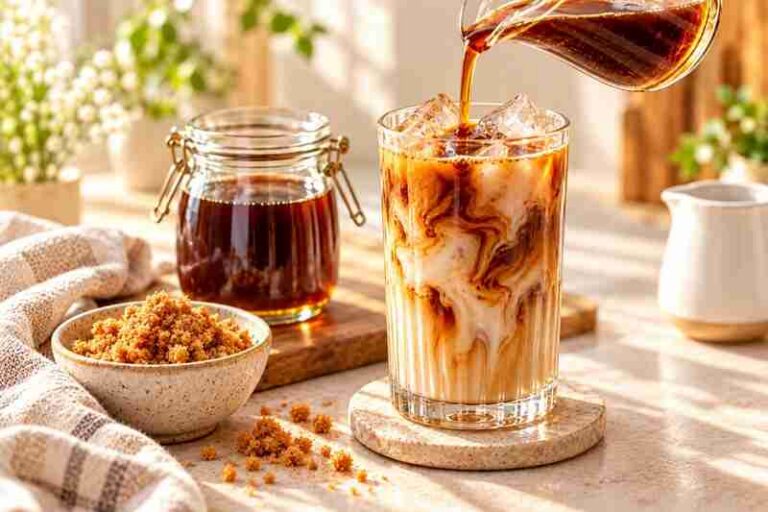
A familiar starting point when you want one flavor that works with several drinks. Keep the syrup separate so each person can choose the sweetness. Use the syrup recipe for its ingredient amounts and storage directions. See the vanilla syrup for coffee recipe.
2. Honey latte
Choose this as the warm signature drink on a small menu. Its straightforward flavor pairs well with plain cookies or toast. Follow the linked hot or iced method instead of treating honey and bottled syrup as identical ingredients. See the honey latte recipe.
3. Iced blueberry coffee
Use this as the fruit-led choice when your other options are vanilla or chocolate. Make the blueberry component according to its recipe, and finish the drink to order so ice does not dilute a large serving jug. See the iced blueberry latte recipe.
4. Biscoff latte
A dessert-style option for a coffee-and-cookie afternoon. Cookie butter brings its own sweetness and ingredients, so offer it as a named signature rather than adding it automatically to every coffee. Check the biscuit-spread label for allergens. See the Biscoff latte recipe.
5. Cinnamon roll latte
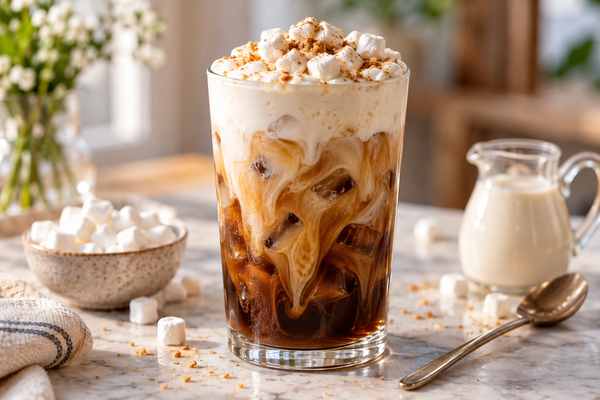
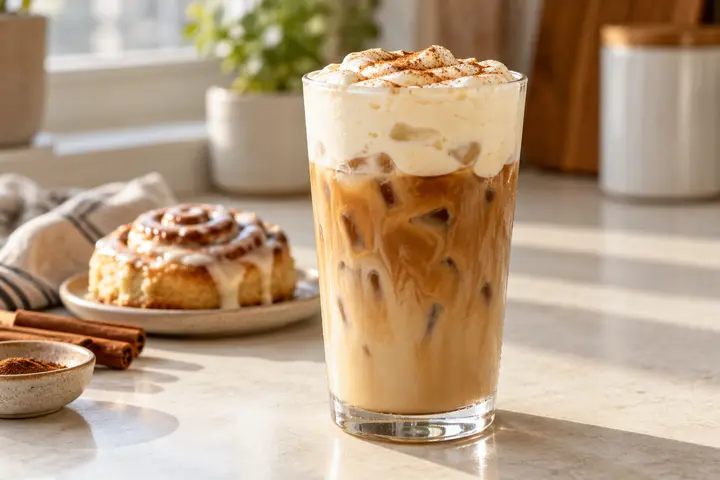
Make this the richer signature when you want the menu to feel special. Prepare only the topping quantity you can keep properly chilled, and finish individual glasses just before serving rather than displaying completed drinks for a long wait. See the cinnamon roll latte with cream cheese cold foam recipe.
6. Mocha coffee
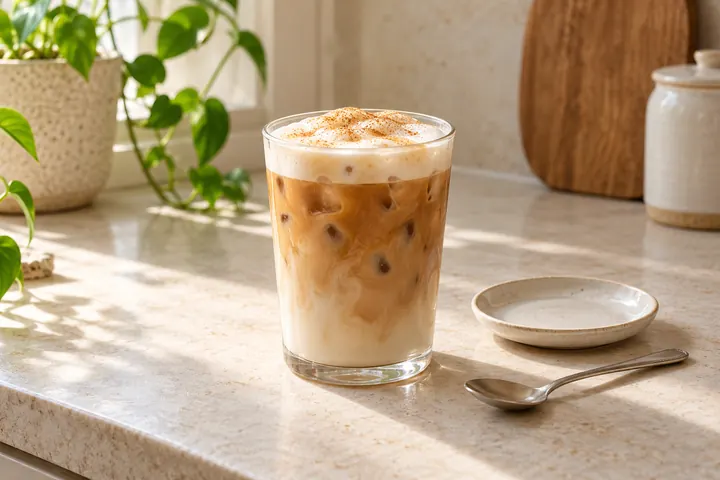
A useful chocolate choice for people who prefer a familiar flavor over fruit or florals. Keep a plain coffee option beside it. The linked page covers the syrup itself; use your chosen coffee base rather than assuming every drink has the same milk-to-coffee ratio. See the mocha syrup for coffee recipe.
7. Hazelnut-flavored coffee
Choose this instead of, rather than alongside, several other nut-style flavors when keeping your shopping list short. Tell guests which syrup you used and check its ingredients. A flavor name alone does not establish whether a product contains nuts. See the hazelnut syrup recipe.
8. Almond-flavored coffee
This syrup uses almond extract, so describe it accurately on your menu. It is a good alternative to a vanilla-only flavor list, but keep product labels available for guests checking ingredients. Do not rename it toasted almond when the method does not toast nuts. See the almond coffee syrup recipe.
9. Pumpkin-spice coffee
A seasonal flavor option for a fall menu. Pair it with one simple drink and a tea option instead of offering every autumn flavor at once. Follow the linked syrup recipe rather than stirring a large spoonful of dry spice directly into iced milk. See the pumpkin spice syrup recipe.
10. Lavender-flavored coffee
Use this as the floral choice on a spring or afternoon menu. Keep the flavor optional, since some people prefer a less perfumed drink. Use culinary ingredients and the linked syrup method rather than decorative flowers or essential oils. See the lavender syrup recipe.
11. Banana-flavored coffee
A playful alternative for an iced menu built around vanilla and fruit. Make the syrup according to its own directions, then keep the serving plan simple. Avoid offering several fruit syrups if you only expect a handful of drinks. See the banana syrup for coffee recipe.
12. Rosemary herbal tea
Include a non-coffee choice rather than assuming everyone wants espresso. This plain rosemary-and-water infusion has no added caffeine. Follow the recipe’s leaf quantity and steeping guidance; lemon and honey can remain optional additions. See the rosemary tea recipe.
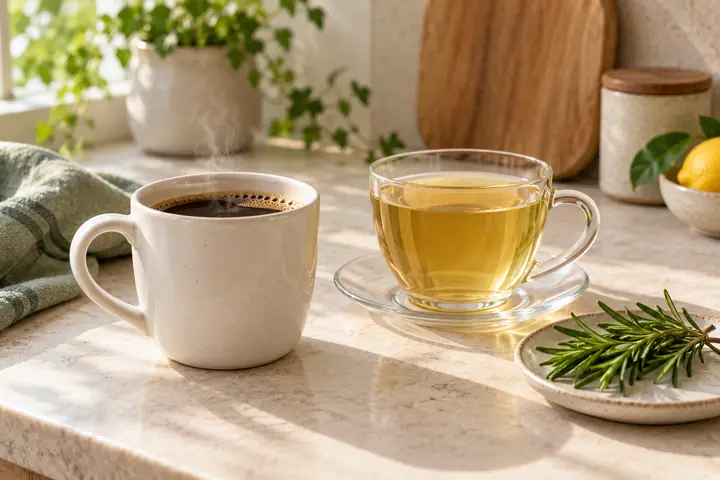
Three sample home café menus
The everyday four-choice menu
Offer brewed coffee, vanilla-flavored latte, honey latte and rosemary tea. This keeps the flavors familiar and lets you serve a warm drink without needing a dessert topping. Put sweeteners on the side where the recipe allows, and ask whether each guest wants milk before making the cup.
The iced afternoon menu
Choose plain iced coffee, iced blueberry latte, iced Biscoff latte and a non-coffee option. Prepare the flavored components separately according to their recipes. Brew and cool the coffee in advance when the chosen method permits, but add ice and finish each glass when it is ordered.
The cozy seasonal menu
Choose brewed coffee, pumpkin-spice coffee, cinnamon roll latte and rosemary tea. This gives you a light option, a spice-led drink, a richer signature and an herbal infusion. Keep the cream cheese foam refrigerated and bring out only what you need for the next drinks.
For all three menus, confirm the drink choices before buying ingredients. If everyone prefers plain coffee, you can skip most syrups. These home cafe menu ideas work best when the menu reflects the people you are serving rather than the number of recipes available.
A shopping example for four people
Here is a planning example, not a new drink recipe: two iced milk coffees, one plain brewed coffee and one herbal tea. For the two milk coffees, allow 180 ml milk and 60 ml prepared espresso-style coffee per glass, plus ice, using glasses large enough for the finished drink. Follow the chosen signature recipe if it calls for different quantities.
| Item | Working amount | Planning note |
|---|---|---|
| Milk for two iced coffees | 360 ml; buy about 500 ml | Allows a little spare without opening a large jug |
| Prepared espresso-style coffee | 120 ml total | For the two milk drinks; brew using your equipment |
| Plain brewed coffee | 240 ml | One separate plain coffee serving |
| Water for herbal tea | 240 ml | Use the tea recipe’s herb amount |
| Ice | About 250–300 g | Split between two glasses; adjust for glass capacity |
| Flavor components | Two recipe servings | Measure from the selected recipe, not this shopping table |
| Cups, spoons and napkins | Four place settings | Keep spares for second drinks if needed |
This list covers one drink per person. Ask about second cups before scaling it. Syrup recipes often make more than two servings, so check their yield and storage instructions. You do not need to use the entire syrup batch in one afternoon.
Keep the setup easy to use
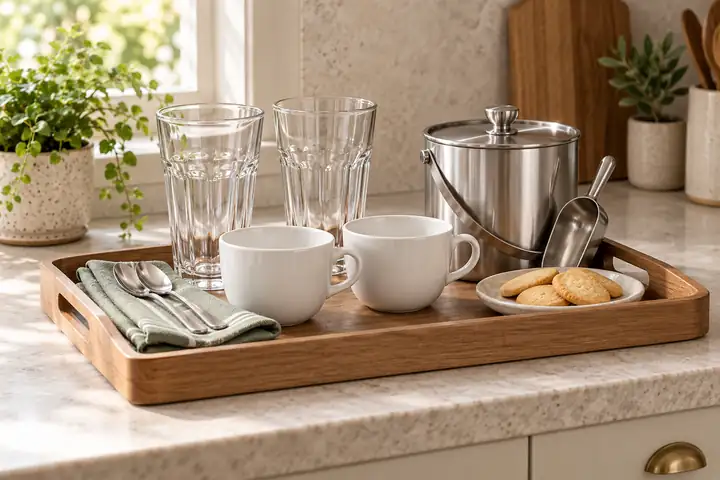
Group cups and spoons on one tray, keep the brewing area clear, and reserve a small space for finishing drinks. Keep dairy, opened milk alternatives and perishable toppings refrigerated between uses. The prettiest arrangement is less useful if it blocks the kettle or leaves no room to set down a hot cup.
When choosing home cafe menu ideas, consider the bottleneck. A single milk frother means hot lattes must be made one at a time. An iced menu can reduce that task, but it still needs enough ice, refrigerator space and clean glasses. Do a simple equipment check before committing to several signature drinks.
Write clear names and ingredient notes
Use short, descriptive menu names such as “iced blueberry latte” or “honey latte.” State whether a drink is hot or iced and whether it includes dairy, a topping or a flavored syrup. Keep the full recipe available for ingredient questions instead of relying on a short menu name.
Plant-based milk does not automatically make the whole drink dairy-free. Foam, cookie spread and other toppings may contain milk or other allergens. Use clean utensils for each ingredient and check current packaging. Offer a plain option without promising an allergen-free kitchen.
Make components ahead, finish drinks to order
Read the individual recipes before scheduling your menu. Prepare syrups only within their stated storage window and label each container. Chill components as directed. Froth milk, add ice and apply toppings near serving so finished drinks do not sit while the rest of the order is made.
The FDA’s food-storage guidance recommends keeping the refrigerator at 40°F (4°C) or below and limiting unrefrigerated time for perishable foods to 2 hours, or 1 hour above 90°F (32°C). Keep milk and dairy toppings cold; a decorative tray is not chilled storage.
Nutrition and calories: use the actual drink recipe
A menu has no single serving size or calorie count. Milk, syrup quantity, cookie spread and foam can change a drink substantially. Use the nutrition card on the selected recipe page, check the product labels you actually use, and account for any substitutions or extra toppings.
For a less sweet menu option, offer plain coffee or unsweetened herbal tea alongside the signatures. Do not describe an entire menu as sugar-free, low-calorie or high-protein based on one ingredient. These home cafe menu ideas organize choices; the individual recipes describe the drinks.
Tastewiser planning notes
This guide brings together published Tastewiser drink and syrup pages. The sample menus and shopping table are planning suggestions, rather than one combined recipe. Check each linked page for its own method, ingredient notes and serving information. Choose the cup sizes and equipment you actually have before scaling a menu.
Frequently asked questions
How many drinks should a home café menu include?
Four choices are a practical starting point: plain coffee, one familiar flavor, one signature and a non-coffee option. Reduce that to two or three if your equipment, storage space or guest preferences make a shorter list easier.
Do I need an espresso machine?
No, but choose recipes that fit your brewing method. A drink made with brewed coffee will taste different from one made with espresso. Follow any alternatives on the individual recipe page instead of assuming the same volume of every coffee base gives the same result.
Can I use store-bought syrups?
You can use them for a menu, but sweetness, flavor and ingredients vary. Check the label and adjust the finished drink to taste. A store-bought syrup substitution changes the linked recipe’s ingredient-based nutrition.
What should I serve with the drinks?
One simple snack is enough for a small coffee afternoon. Choose something that does not require another last-minute cooking task, and check guest preferences. Keep the drink list and snack list manageable rather than turning the menu into a full buffet.
How do I keep the menu affordable?
Use shared ingredients, offer one signature at a time and check what you already own. Pick either vanilla or honey as a familiar sweet option, then add one contrasting flavor. Avoid buying a separate topping or syrup for every possible drink.
Choose a menu you will actually make
The most useful home cafe menu ideas start with familiar ingredients and a realistic serving plan. Choose a small set of homemade coffee and latte options, keep a non-coffee choice available, and link your menu to the exact recipes you intend to follow. A short home coffee menu can feel thoughtful without becoming complicated.
Follow us on Instagram for more Tastewiser drink ideas.
Follow us on Pinterest for home café inspiration.
Make One Drink: Simple Iced Vanilla Latte
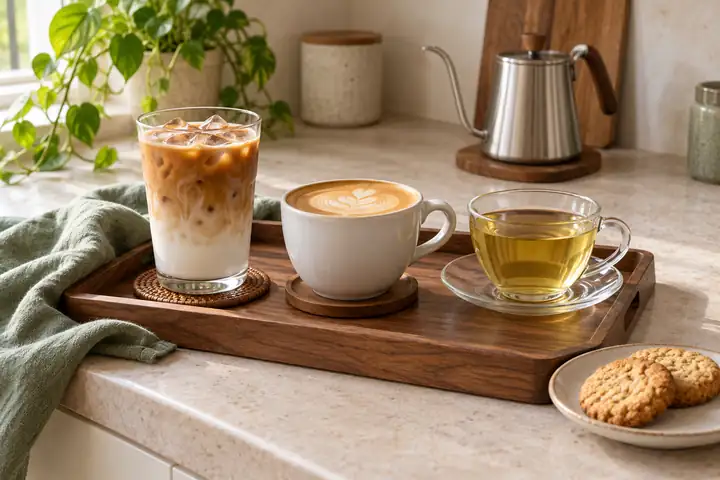
Start with this single-serving vanilla latte from the menu. Use prepared, cooled coffee and ready-made vanilla syrup; the syrup recipe is linked above. Nutrition below is for this latte with whole milk, without extra toppings.

Simple Iced Vanilla Latte
Ingredients
Equipment
Method
- Measure 60 ml prepared cooled espresso-style coffee and 15 ml vanilla coffee syrup. Stir together until evenly mixed.
- Place the ice in a 450 ml glass and pour in the cold milk. Leave enough space for the coffee. Reduce the ice if your glass is smaller.
- Pour the sweetened coffee over the milk and ice. Stir thoroughly, taste, and serve immediately. Any additional syrup or toppings change the nutrition.
Notes
Get easy recipes in your inbox
Join TasteWiser for new recipes, cooking tips and fresh inspiration.
Confirm your email to subscribe. Unsubscribe anytime.