Chocolate Chip Cookies Without Brown Sugar (White Sugar Recipe)
Chocolate chip cookies without brown sugar are a useful bake when the brown-sugar bag is empty. White granulated sugar gives this version a straightforward vanilla-and-butter flavor, with golden edges and plenty of semisweet chocolate. You do not need molasses, a liquid sweetener or homemade brown sugar.
The recipe below makes 16 cookies from an easy-to-portion chilled dough. Ingredient weights help keep the flour and sugar consistent, while the baking guidance explains what to look for when your oven runs a little hotter or cooler than expected.
What changes when you use white sugar?
Brown sugar contains molasses, which changes a cookie’s flavor, color and moisture balance. White sugar takes the flavor in a different direction: butter, vanilla and chocolate become more noticeable. Expect less of the deep caramel note associated with brown-sugar dough.
Chocolate chip cookies without brown sugar can have a crisper edge, but sugar is only part of the picture. Butter temperature, flour quantity, portion size and baking time also affect spread and texture. This formula uses softened butter and a short refrigeration step rather than melted butter.
Ingredients: what to use and what to avoid
White granulated sugar: Use 150 g, or ¾ cup. Regular white baking sugar is the intended ingredient. Powdered sugar contains much finer particles and may contain starch, so it is not a direct replacement. Honey and maple syrup introduce extra liquid and need a different formula.
Unsalted butter: Use 113 g, softened but still holding its shape. It should yield under gentle pressure without looking shiny or oily. If the butter starts melting in a warm kitchen, cool it before mixing; chilling finished dough will not completely undo a different mixing method.
One large egg: This supplies moisture and helps bind the dough. The recipe is not eggless. If you need an egg-free bake, choose a recipe developed for that requirement rather than simply omitting the egg.
All-purpose flour: The card uses 190 g. Weigh it if possible. A scooped measuring cup can hold substantially more flour than a spooned-and-leveled one, making the dough dry. The volume equivalent is approximate, so grams are the more reliable starting point.
Baking soda, fine salt and vanilla: Measure the small quantities carefully. Baking soda and baking powder behave differently and should not be swapped teaspoon for teaspoon. Vanilla gives the pale dough flavor without needing extra sweeteners.
Semisweet chocolate chips: Use 150 g. If you use chopped chocolate at the same weight, irregular pieces may create wider melted pockets. Do not increase the chocolate so much that the dough cannot hold together.
How to make chocolate chip cookies without brown sugar
1. Whisk the dry ingredients
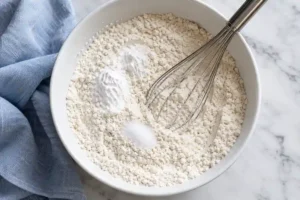
Preheat the oven to 350°F (177°C), conventional setting, while the dough chills. Line two large baking sheets with parchment. Whisk 190 g all-purpose flour, ½ teaspoon baking soda and ½ teaspoon fine salt in a bowl.
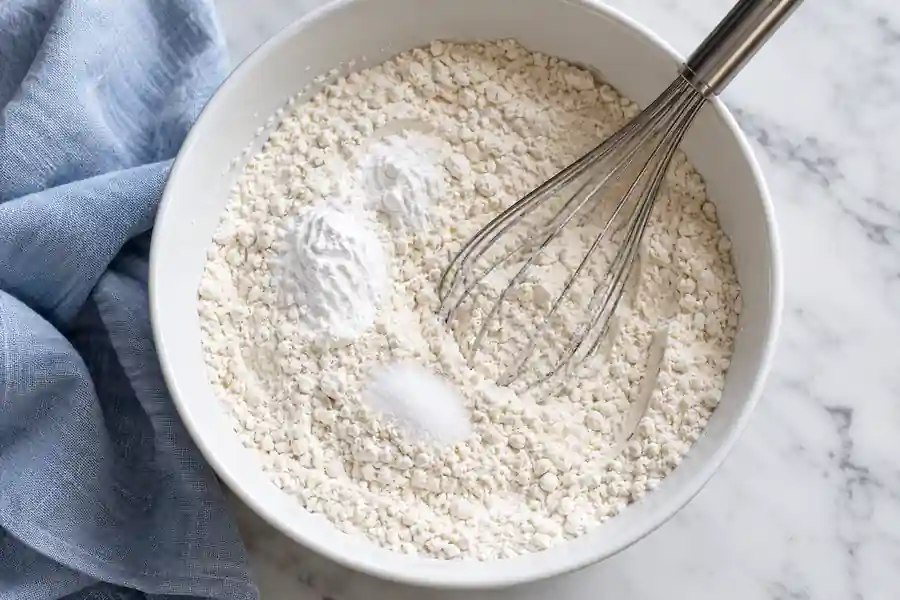
Whisk until the small amounts of salt and soda are distributed through the flour. Having the sheets lined before scooping prevents the dough from sitting on a warm counter while you search for parchment.
2. Cream the butter and white sugar
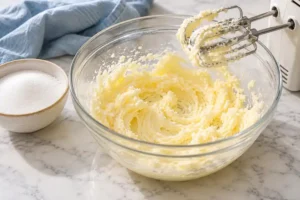
Beat 113 g softened unsalted butter with 150 g white granulated sugar for about 2 minutes, scraping the bowl, until lighter and evenly mixed. Beat in 1 large egg and 1 teaspoon vanilla just until combined.
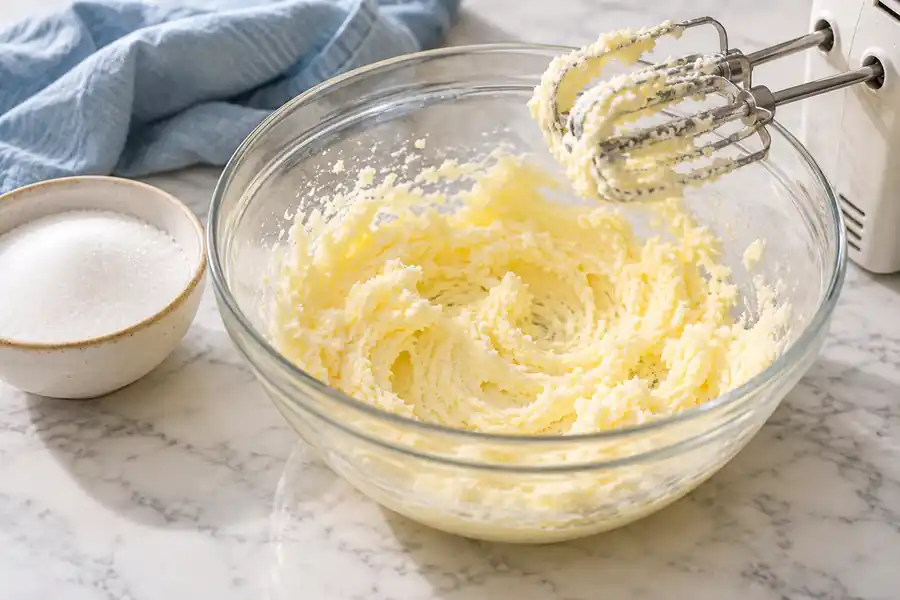
Scrape the sides and bottom of the bowl so no dense butter streaks remain. The mixture may still feel slightly grainy because the sugar does not need to dissolve completely during creaming. Add the egg only after the butter and sugar are evenly mixed.
3. Mix the dough and add chips
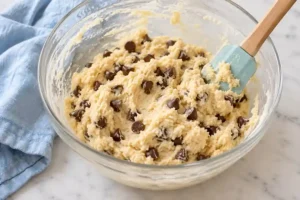
Add the flour mixture and mix on low, or fold with a spatula, just until no dry flour remains. Fold in 150 g semisweet chocolate chips. Avoid prolonged mixing after adding flour, and do not taste the raw dough.
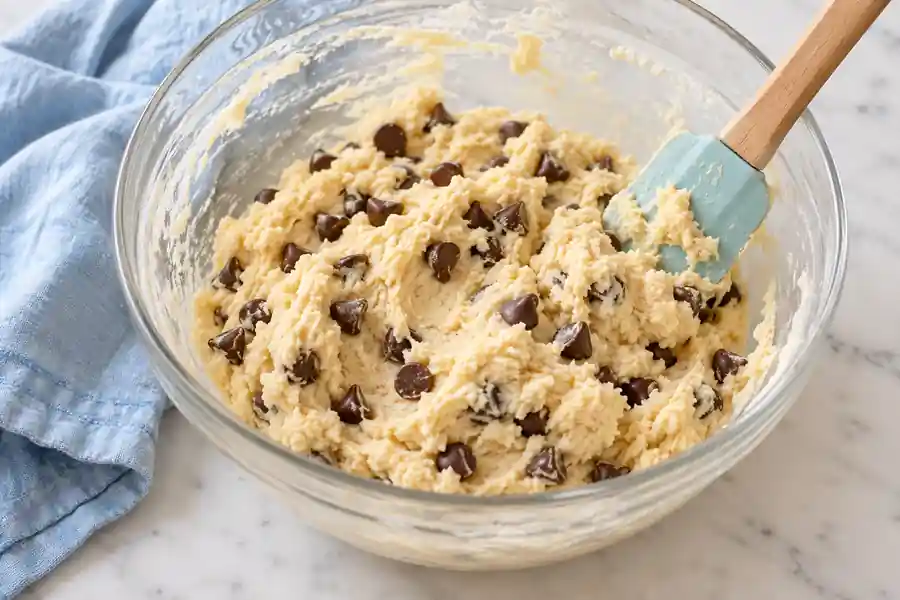
A few gentle folds at the end help bring flour up from the bottom of the bowl. Once the dough is uniform, stop mixing. It may feel slightly tacky before chilling; that alone is not a reason to add another handful of flour.
4. Chill and scoop
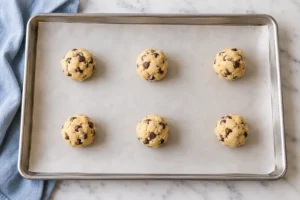
Cover and refrigerate the dough for 30 minutes, or until firm enough to portion. Divide into 16 balls of about 41 g each. Arrange up to 8 per lined sheet, leaving 2–3 inches between portions. Keep the second tray refrigerated while the first bakes.
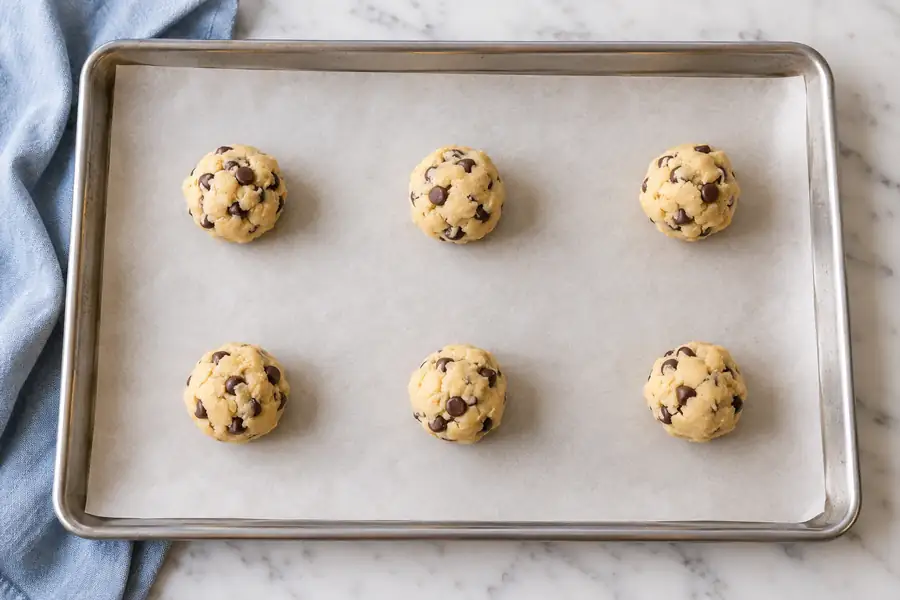
A chilled portion should hold a rounded shape on the tray. If it slumps immediately, refrigerate a little longer. Leave the required space even if that means baking fewer cookies on a smaller sheet. Equal portions make the baking cues easier to judge.
5. Bake and cool
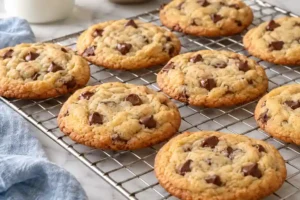
Bake one tray at a time on the middle rack for 12–14 minutes, until edges are lightly golden and centers are set rather than wet or raw. The card allows 26 minutes for two sequential trays. Cool on the sheet for 10 minutes, then transfer to a wire rack. Cool completely before storing. Use a cool sheet for any remaining dough.
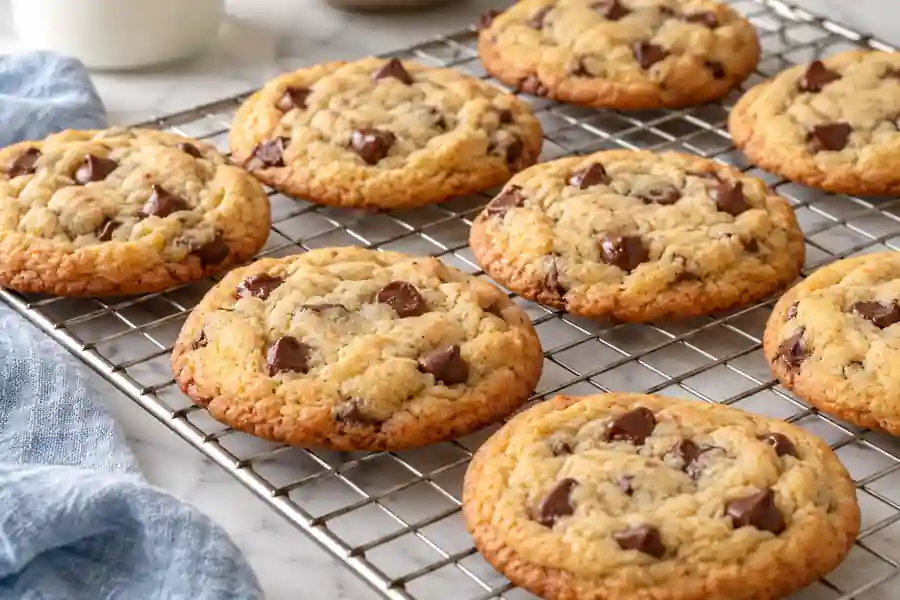
Judge the cookie dough around the chocolate, not the chocolate itself, which stays soft when hot. The center should look set. Transfer only after the cookies are firm enough to lift without bending or breaking. Cooling is separate from the card’s total time.
Make the texture work for you
For the first batch of chocolate chip cookies without brown sugar, keep the ingredient weights and scoop size unchanged. Check the first tray near the end of the suggested baking window. This gives you a useful baseline for your own pan and oven before experimenting.
A slightly longer bake can make the finished cookies crisper, but avoid burning the underside while chasing a darker top. Pale centers do not automatically mean raw dough, and dark chocolate does not tell you whether the surrounding dough has baked. Look for a set surface and lightly colored edges.
Why did my cookies spread too much?
Start with the temperature of the butter, dough and sheet. Very warm butter or dough can spread quickly, and a hot reused sheet begins melting a fresh scoop before it reaches the oven. Refrigerate waiting portions and use a cool pan.
Check the flour measurement before changing the formula. If you are unsure about your oven, bake a single test portion, let it cool and inspect it. That is more informative than adding extra flour to the whole batch after seeing one very soft cookie come out of the oven.
Why are the cookies thick or dry?
Too much flour can stop the cookies from spreading and make the crumb dry. Use a scale, avoid packing the flour and check that you included the full butter amount. Overbaking also dries cookies, especially when small portions share a tray with larger ones.
For chocolate chip cookies without brown sugar, do not add milk simply because the chilled dough feels firm. Refrigeration firms the butter. Let it soften just enough to scoop comfortably, then follow the method.
Can I substitute another sweetener?
This version is meant for white granulated sugar. Replacing it with a liquid syrup changes the liquid balance, and reducing it substantially changes more than sweetness. Sugar also affects spreading and texture. Use a separately developed formula for a low-sugar or liquid-sweetener cookie.
Storage and freezing
Let chocolate chip cookies without brown sugar cool completely before placing them in an airtight container. Enjoy within about 3–4 days for best quality, keeping the container in a cool, dry place. That is a texture guideline rather than a guarantee under every storage condition.
For make-ahead dough, cover and refrigerate at 40°F (4°C) or below, and plan to bake within two days. Keep raw dough separate from ready-to-eat foods. If it is too firm to scoop, let it stand only until workable.
You can freeze individual portions on a lined sheet and transfer them to a labeled freezer container. Aim to use them within two months for best quality. Thaw covered in the refrigerator before following the method; dough temperature can change the baking time, so watch the set-center and golden-edge cues.
Calories and nutrition
The recipe card estimates about 183 calories per cookie, assuming 16 equal portions, with approximately 25 g carbohydrate, 2 g protein and 9 g fat. These are ingredient-based estimates, not laboratory measurements. Chocolate brands and cookie size will change the numbers.
Using white sugar does not make chocolate chip cookies without brown sugar a low-sugar dessert. Choose the version for its ingredients and flavor, and use consistent portions if you track intake.
Frequently asked questions
Can you make chocolate chip cookies without brown sugar?
Yes. This recipe uses only white granulated sugar. No brown sugar, molasses or syrup is required; follow the full formula rather than replacing sugar in an unrelated recipe.
Can I use salted butter?
You can use the same butter weight and reduce the added fine salt to ¼ teaspoon as a starting point. Salted butter varies by brand, so the final saltiness can differ.
Do I need to flatten the dough balls?
Start with rounded portions as directed. Warm dough can spread too far, while very cold dough can spread less. Bake a test cookie if necessary before deciding to press every portion flat.
Can I skip the chilling step?
Chilling is part of the written method and makes the softened-butter dough easier to portion. Keep it for the first batch, and refrigerate longer if the dough remains too soft to hold its shape.
Can I eat this dough raw?
No. It contains raw flour and egg. Wash your hands and clean utensils and surfaces after handling it. The FDA’s flour safety guidance explains why raw dough should not be tasted.
More bakes to try
Prefer a stronger molasses flavor? Our brown sugar chocolate chip cookies use brown sugar throughout. It is a different ingredient choice, so use that complete recipe rather than adding brown sugar to this dough.
For a slice-and-serve option, try banana chocolate chip bars. A hot or iced Biscoff latte also makes a simple coffee pairing.
A note from Tastewiser
This recipe has not yet been kitchen-tested by Tastewiser. The photos are AI-generated illustrations of the method. Baking windows are guidance, and actual results depend on the oven, ingredients and portion size.
Bake with the sugar you have
Chocolate chip cookies without brown sugar give you a practical white-sugar baking option with clear measurements and a complete method. Weigh the flour, keep the butter softened rather than melted, chill the dough and check the first tray carefully. The recipe card below keeps every ingredient and step together.
Follow us on Instagram and Follow us on Pinterest for more recipe ideas.
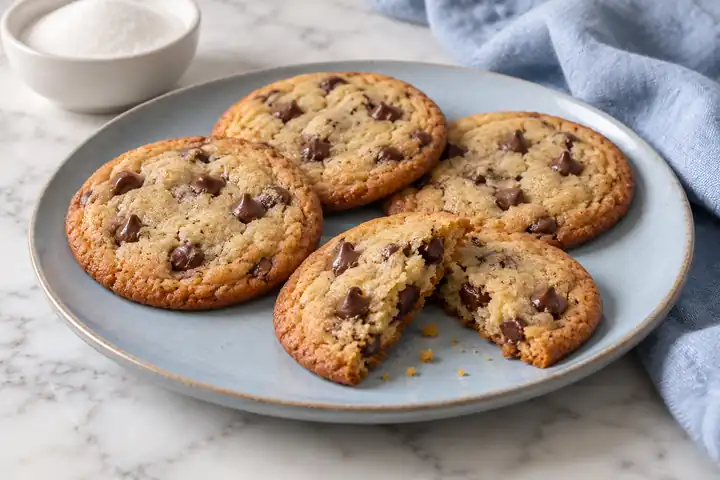

Chocolate Chip Cookies Without Brown Sugar
Ingredients
Equipment
Method
- Preheat the oven to 350°F (177°C), conventional setting, while the dough chills. Line two large baking sheets with parchment. Whisk 190 g all-purpose flour, ½ teaspoon baking soda and ½ teaspoon fine salt in a bowl.
- Beat 113 g softened unsalted butter with 150 g white granulated sugar for about 2 minutes, scraping the bowl, until lighter and evenly mixed. Beat in 1 large egg and 1 teaspoon vanilla just until combined.
- Add the flour mixture and mix on low, or fold with a spatula, just until no dry flour remains. Fold in 150 g semisweet chocolate chips. Avoid prolonged mixing after adding flour, and do not taste the raw dough.
- Cover and refrigerate the dough for 30 minutes, or until firm enough to portion. Divide into 16 balls of about 41 g each. Arrange up to 8 per lined sheet, leaving 2–3 inches between portions. Keep the second tray refrigerated while the first bakes.
- Bake one tray at a time on the middle rack for 12–14 minutes, until edges are lightly golden and centers are set rather than wet or raw. The card allows 26 minutes for two sequential trays. Cool on the sheet for 10 minutes, then transfer to a wire rack. Cool completely before storing. Use a cool sheet for any remaining dough.
Notes
Get easy recipes in your inbox
Join TasteWiser for new recipes, cooking tips and fresh inspiration.
Confirm your email to subscribe. Unsubscribe anytime.